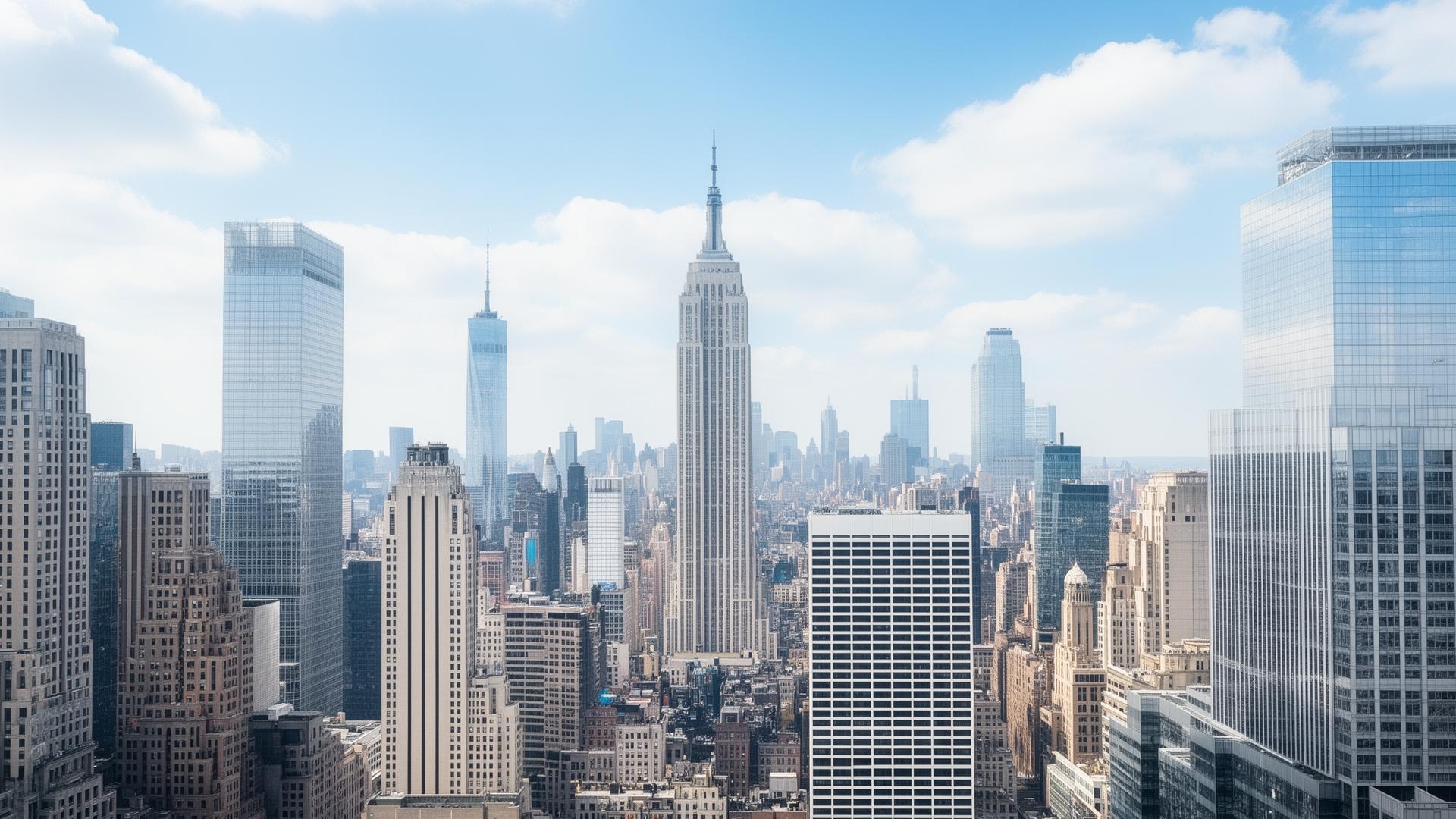
Manhattan Apartments for Rent
Manhattan is the most-rented borough in New York City and the densest rental market in the United States. From the East Village to the Upper West Side, renters can choose from pre-war walk-ups, doorman elevator buildings, converted lofts, and new amenity towers — often within blocks of each other.
23+ verified Manhattan listings
Featured
Featured Manhattan rentals

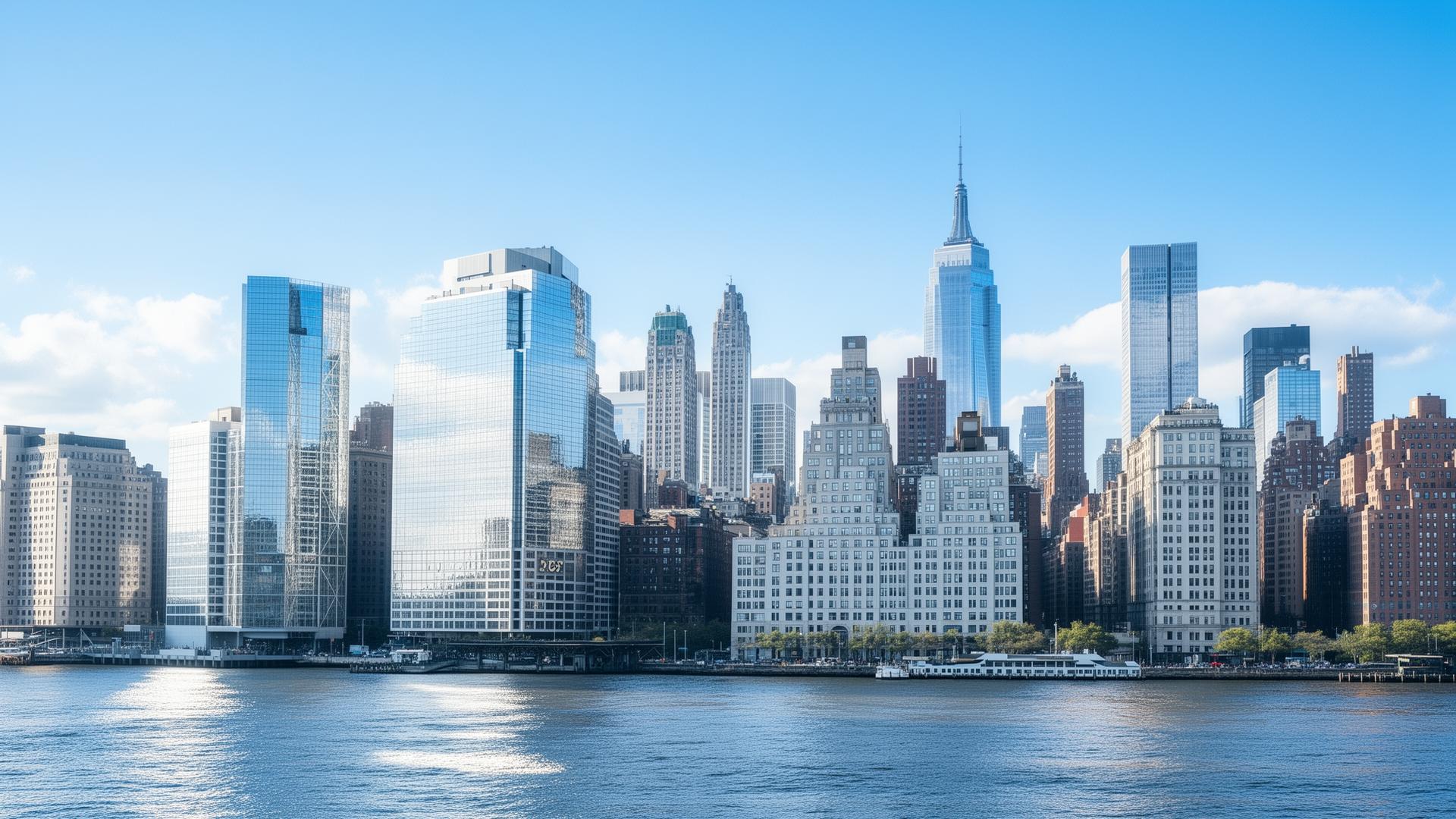
Manhattan guide
Living in Manhattan.
The Manhattan rental market splits into three distinct submarkets. Downtown — the East Village, Lower East Side, West Village, SoHo, Nolita, Tribeca, and Chelsea — is dominated by character-driven pre-war inventory with a growing layer of new construction. Midtown and the Upper East and West Sides are full-service doorman territory, with the largest concentration of elevator buildings in the city. Upper Manhattan — Harlem and Washington Heights — offers the most value per square foot in the borough and the deepest inventory of pre-war elevator buildings with original detail.
Pricing scales sharply by neighborhood and building type. A renovated walk-up one-bedroom in the East Village or LES typically rents in the high-$3,000s to mid-$4,000s. A doorman one-bedroom in Chelsea or the Upper West Side commonly runs $5,000–$6,500. New construction along the High Line, in Hudson Yards, or in waterfront Tribeca regularly exceeds $7,500 for a one-bedroom. Studios remain available in walk-up buildings across most downtown neighborhoods in the high-$2,000s to low-$3,000s.
Transit is the defining feature of Manhattan rentals. Every numbered avenue carries at least one subway line, and most apartments are within a five-minute walk of two or more lines. The 1/2/3, 4/5/6, A/C/E, B/D/F/M, N/R/Q/W, L, and 7 collectively cover every corner of the borough. The PATH connects to New Jersey from 14th, 23rd, and 33rd Streets. NYC Ferry stops along the East River give waterfront renters a direct ride to Brooklyn, Queens, and Wall Street that's covered by the same fare as the subway.
No-fee inventory is more common in Manhattan than most renters expect. Large management companies — particularly those operating new construction in Chelsea, the Lower East Side, and along the West Side — routinely waive broker fees on direct-to-renter leases. OnePlace Rentals filters and surfaces no-fee Manhattan listings daily across every neighborhood. Concession periods, typically one or two months free on a 14-month lease, can effectively reduce first-year rent by 7–14% in larger buildings during slower seasons.
The Manhattan rental calendar peaks twice a year — on May 1 and September 1 — when leases turn over in volume. The best inventory typically lists 45–60 days before those dates. Off-peak renters (December through February) face less competition and more landlord-side concessions, but face thinner inventory. Most Manhattan landlords expect 40x annual income for unguaranteed leases; guarantors are common for first-time renters or international applicants.
For renters new to Manhattan, the borough's neighborhoods function as small cities. Choosing between the East Village, Chelsea, and the Upper West Side is less about price and more about lifestyle — late-night density vs. amenity convenience vs. residential calm. OnePlace Rentals' neighborhood guides cover each one in detail, and a local agent can talk through trade-offs based on your commute, budget, and what you actually want to do on weekends.
Neighborhoods
Popular Manhattan neighborhoods.
No Fee
No-fee Manhattan rentals
Frequently asked
Manhattan rental FAQ.
- What is the average rent for an apartment in Manhattan?
- The average one-bedroom in Manhattan rents in the mid-$4,000s to low-$5,000s, with a wide range by neighborhood and building type. Walk-up units start in the high-$3,000s; doorman buildings begin around $5,000; new construction commonly exceeds $7,500.
- Are no-fee apartments common in Manhattan?
- Yes — particularly in larger management-company buildings and new construction. OnePlace Rentals tracks no-fee Manhattan listings every day and flags them on listing pages.
- Which Manhattan neighborhoods are best for first-time renters?
- The East Village, Lower East Side, and Murray Hill are the most common entry points, with broad walk-up and small-elevator inventory in the $3,000s to mid-$4,000s for one-bedrooms. Chelsea and the Upper West Side offer more amenity buildings at a premium.
- Does OnePlace help renters who don't speak English?
- Yes. OnePlace Rentals supports renters in English, Spanish, Chinese, Russian, Bengali, Arabic, Haitian Creole, Korean, and more — by text, WhatsApp, email, or a scheduled call.
Want to live in Manhattan?
Talk to OnePlace — a local rental expert who knows the buildings, the landlords, and the no-fee deals.