Queens Apartments for Rent
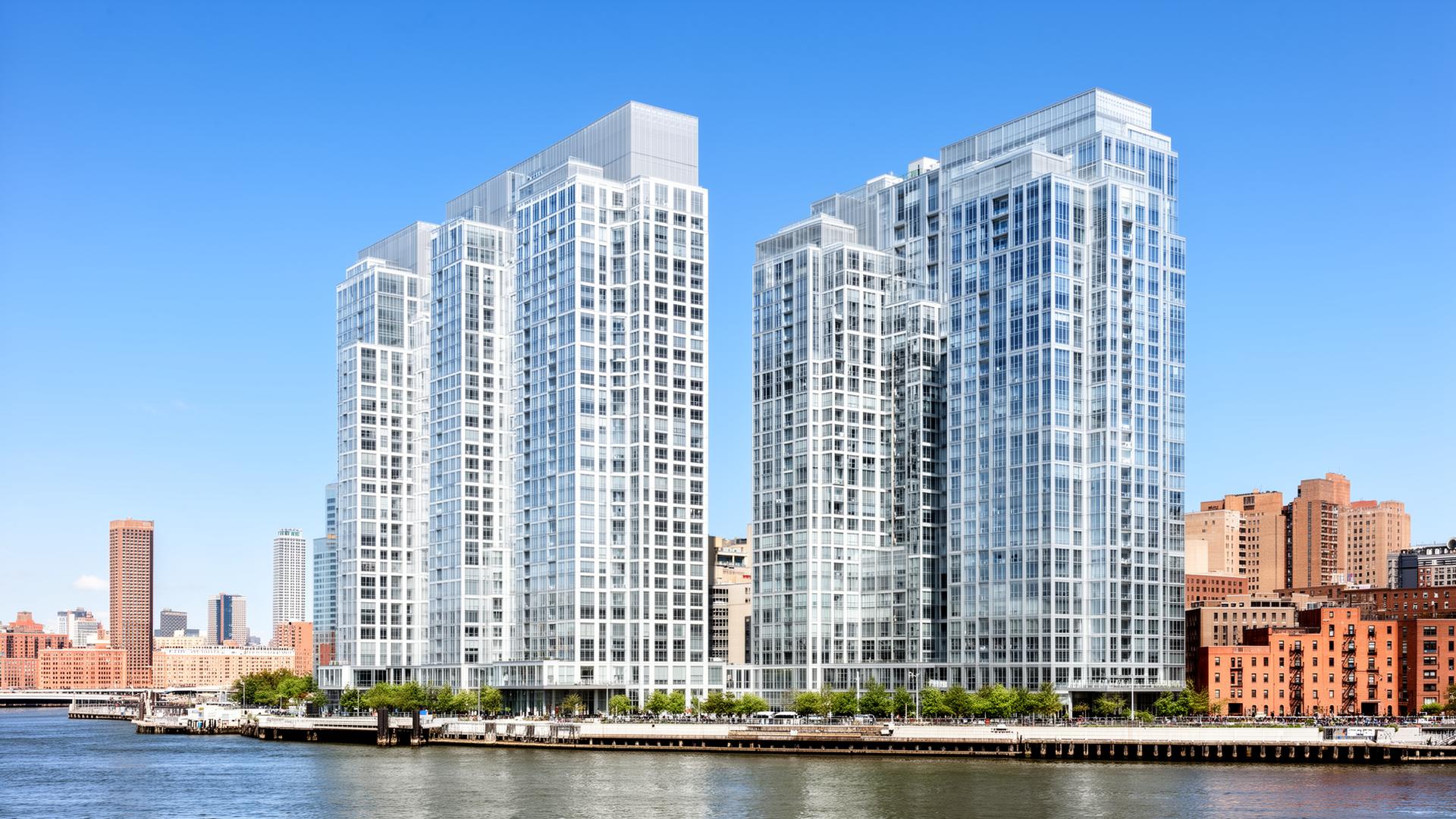
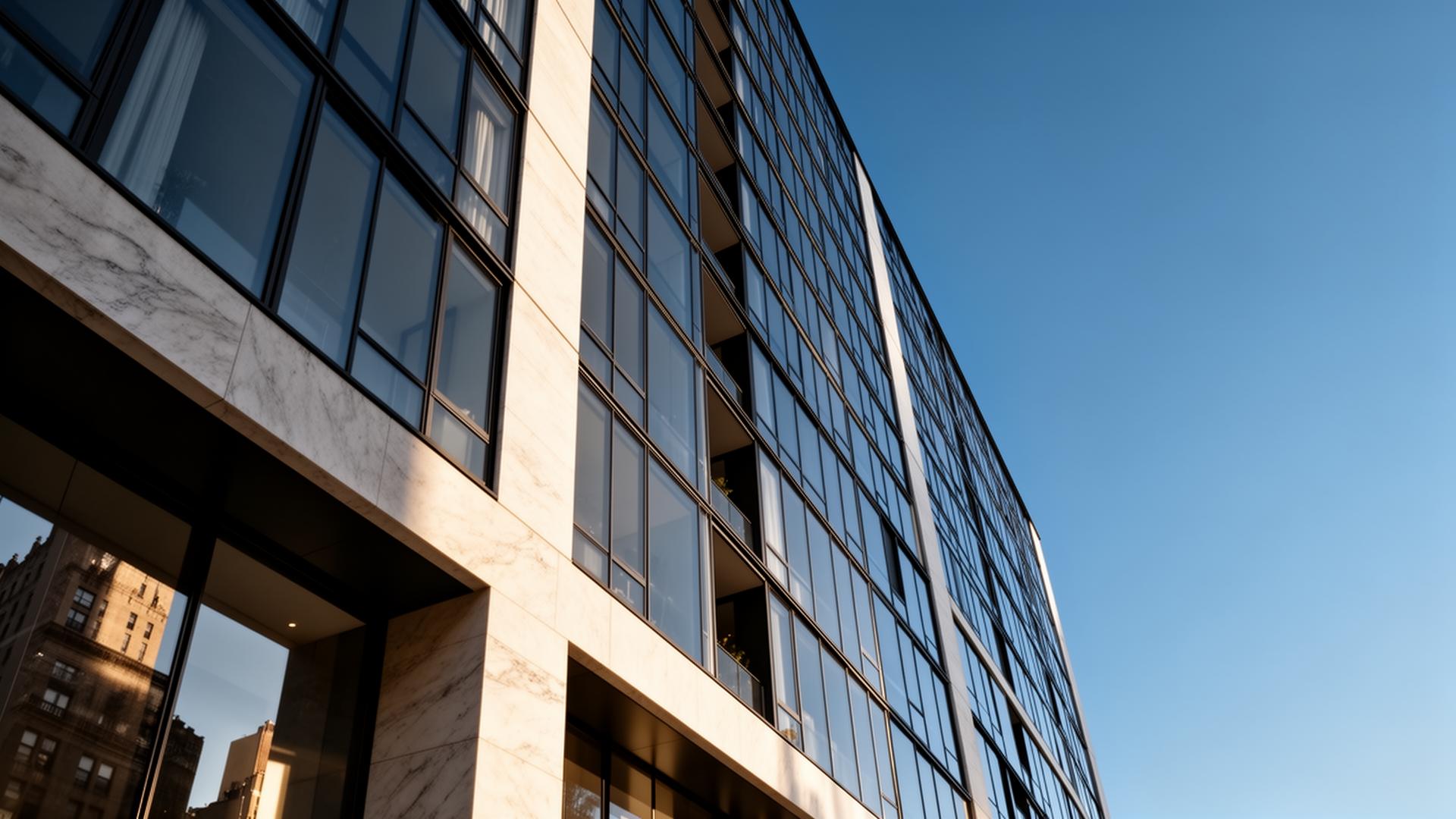
Queens is the largest borough by land area and the most linguistically diverse county in the United States. The borough's rental market spans high-rise glass towers in Long Island City, garden apartments in Jackson Heights, pre-war Tudor blocks in Forest Hills, and waterfront new construction in Astoria.
4+ verified Queens listings
Queens guide
Living in Queens.
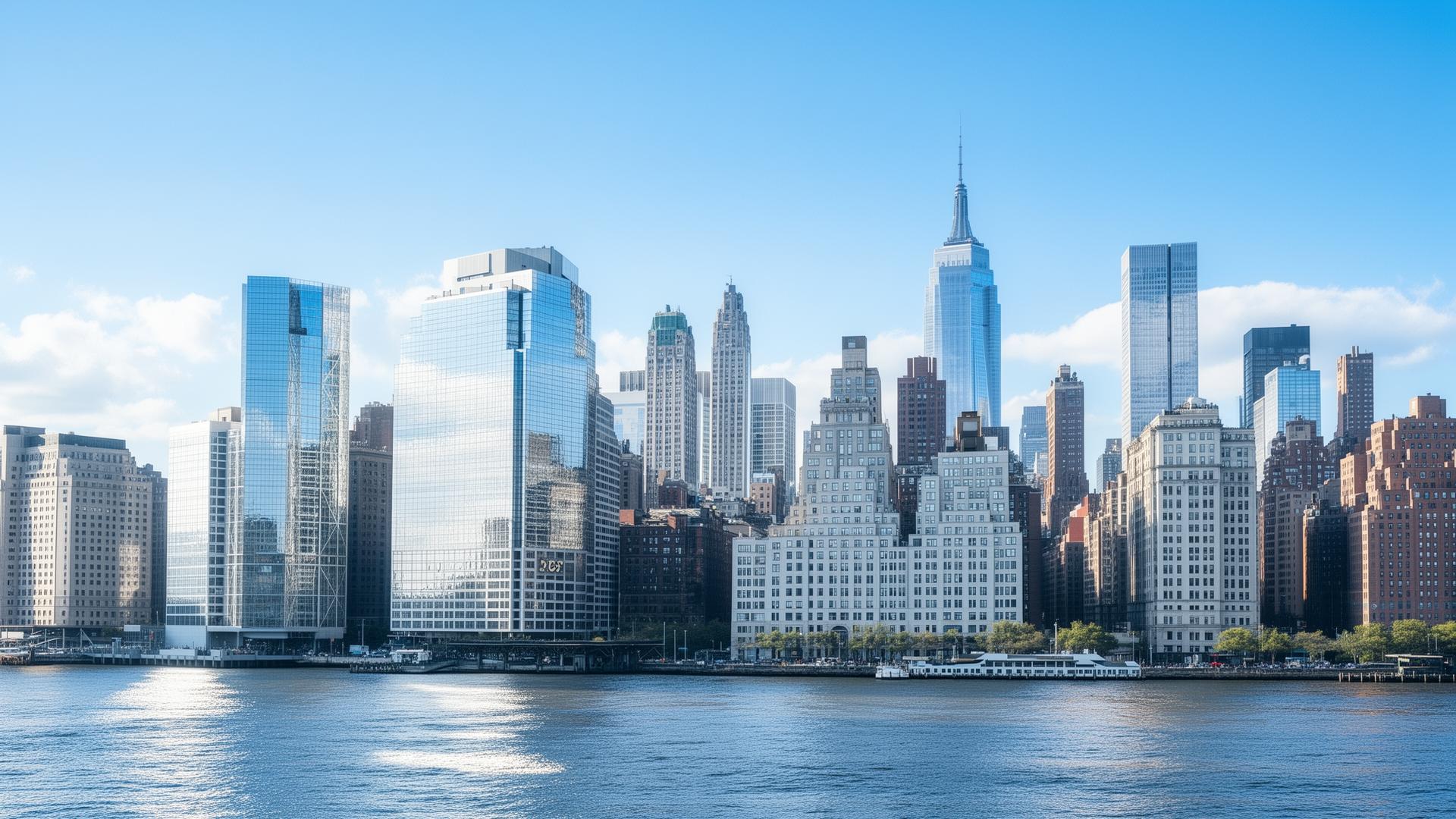
Queens organizes around several distinct submarkets. Western Queens — Long Island City, Astoria, Sunnyside, and Woodside — is the fastest-growing rental market and offers the closest commute to Manhattan. Central Queens — Jackson Heights, Elmhurst, and Rego Park — has the deepest pre-war elevator inventory and the most globally diverse food scene in NYC. Forest Hills and Kew Gardens carry the architectural character of garden cities and Tudor revivals. Eastern Queens — Bayside, Whitestone, and Floral Park — leans suburban, with single-family and small-multi inventory.
Pricing in Queens delivers some of the strongest value per square foot in the city. Long Island City new construction one-bedrooms commonly rent for $3,500–$4,500, with two-bedrooms $5,000–$6,500 — typically 25–35% less than comparable Manhattan or Williamsburg inventory. Astoria one-bedrooms in walk-up and small-elevator buildings frequently run $2,200–$2,800. Jackson Heights pre-war one-bedrooms can be found in the low-$2,000s. Forest Hills and Bayside offer two-bedrooms below $3,000 in pre-war elevator buildings with garden views.
Transit is the defining feature of Queens rentals. The 7 train along Roosevelt Avenue is the borough's commuter spine, connecting Flushing, Jackson Heights, Sunnyside, Long Island City, and Hudson Yards in under 40 minutes. The N and W serve Astoria. The E, F, M, R cover Forest Hills, Rego Park, and Kew Gardens. The G connects Long Island City to Brooklyn. NYC Ferry stops in Long Island City and Astoria give waterfront renters a direct commute to Manhattan.
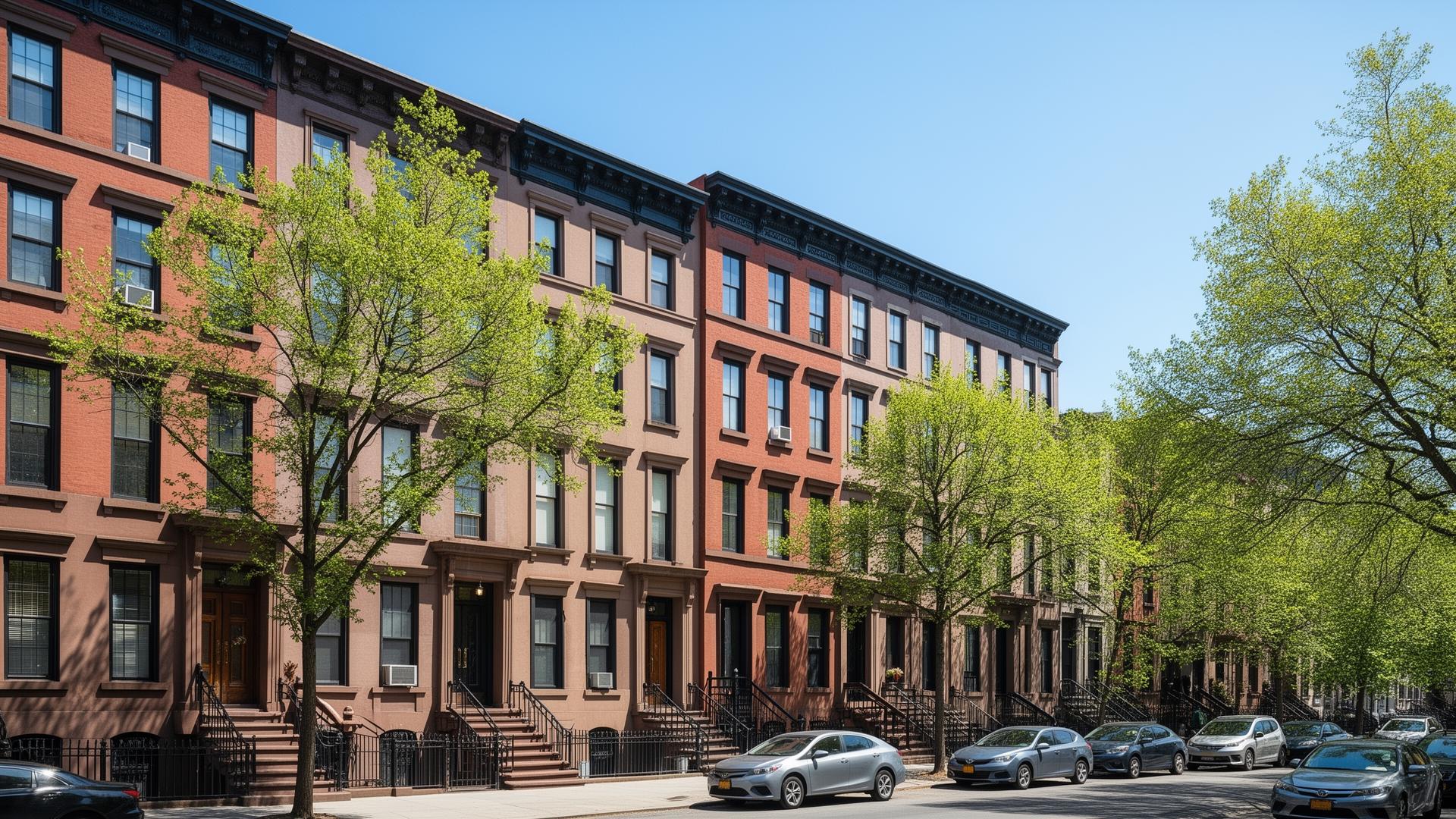
Queens has a deep concentration of pre-war elevator buildings — typically six- to ten-story brick or Tudor-revival construction with original detail, hardwood floors, casement windows, and decorative lobbies. These buildings, particularly in Jackson Heights, Forest Hills, and Sunnyside, offer some of the most architecturally rich rental inventory in the city at price points well below comparable buildings in Manhattan or brownstone Brooklyn.
The food scene in Queens is the strongest argument for the borough on its own terms. Roosevelt Avenue, from Jackson Heights through Elmhurst to Flushing, hosts one of the densest concentrations of restaurants from every continent in the country. Flushing's Main Street is widely considered the largest Chinatown in the Western Hemisphere. Astoria's Greek, Egyptian, and Brazilian restaurants anchor the western part of the borough. No other borough rivals the daily food access Queens offers.
No-fee inventory in Queens is common in Long Island City new construction and in larger pre-war buildings throughout Jackson Heights, Forest Hills, and Astoria. OnePlace Rentals tracks live Queens inventory daily. The borough also has a significant supply of co-op and condo rentals, which sometimes carry different lease requirements than traditional rentals — OnePlace agents can walk through the differences and surface the right inventory for each renter.
Queens renters who don't speak English can run the entire search with OnePlace Rentals in Spanish, Chinese, Russian, Bengali, Arabic, Korean, or Haitian Creole — by text, WhatsApp, email, or scheduled call. We verify pricing, confirm pet and guarantor policies, and coordinate showings directly with on-site management at the borough's larger pre-war and new-construction buildings, so the apartment you tour matches the one in the listing photos.
Frequently asked
Queens rental FAQ.
- What is the average rent for an apartment in Queens?
- The average Queens one-bedroom rents in the mid-$2,000s to high-$3,000s, depending on neighborhood. Long Island City new construction runs highest; Astoria and Sunnyside fall in the middle; Jackson Heights and central Queens deliver the deepest value per square foot.
- Which Queens neighborhoods are best for commuters?
- Long Island City (E/M/R/7 + ferry), Astoria (N/W + ferry), and Sunnyside (7) offer the fastest commutes to Manhattan. Jackson Heights and Woodside are also strong commuter neighborhoods on the 7.
- Are no-fee apartments common in Queens?
- Yes — particularly in Long Island City new construction and in larger pre-war buildings throughout Astoria, Jackson Heights, and Forest Hills. OnePlace Rentals tracks no-fee Queens listings daily.
- Does OnePlace help renters who don't speak English?
- Yes. Queens is one of the most linguistically diverse counties in the United States, and OnePlace Rentals supports renters in English, Spanish, Chinese, Russian, Bengali, Arabic, Haitian Creole, Korean, and more — by text, WhatsApp, email, or a scheduled call.
Want to live in Queens?
Talk to OnePlace — a local rental expert who knows the buildings, the landlords, and the no-fee deals.